
By Betty Bradley
Guest Writer
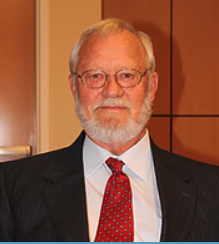
Clay Logan
On Jan. 14-15, Clay County Commissioner Clay Logan represented Clay County as a voting delegate for the 2021 North Carolina Association of County Commissioners Legislative Goals Conference.
During the virtual conference, county delegates across North Carolina came together to participate in a series of voting sessions to develop NCACC’s legislative agenda which will guide county advocacy efforts at the state and federal levels of government. Delegates finalized a slate of dozens of goals including long-standing priorities on expanding broadband access, funding for public school facilities and efforts to preserve and expand local revenue for counties.
Counties also voted to support new goals to address challenges that emerged as a result of the pandemic, including food insecurity. Counties adopted a new goal to support food supply chain initiatives and funding for North Carolina food banks as well as other equipment, supplies and other nonrecurring expenses. The conference also featured remarks by Gov. Roy Cooper, N.C. Senate President Pro Tempore Phil Berger and N.C. Speaker of the House Tim Moore.
Cooper committed to supporting county needs related to vaccine distribution and announced that the state has begun vaccinating individuals 65 and older. He called for robust investments in broadband and other vital infrastructure and emphasized the importance of addressing gaps in healthcare coverage, especially in light of the pandemic. Cooper also discussed the state’s progress in implementing disaster recovery programs including the Community Block Grant-Disaster Recovery and Hazard Mitigation programs.
Berger expressed interest in hearing county priorities including issues related to authority for local taxes. He also acknowledged the challenges counties are facing as a result of the pandemic and its economic impact. Moore pledged to continue to work for robust school capital funding and said the N.C. House of Representatives is working to distribute more funding to local government and small businesses to address COVID-19 challenges.