
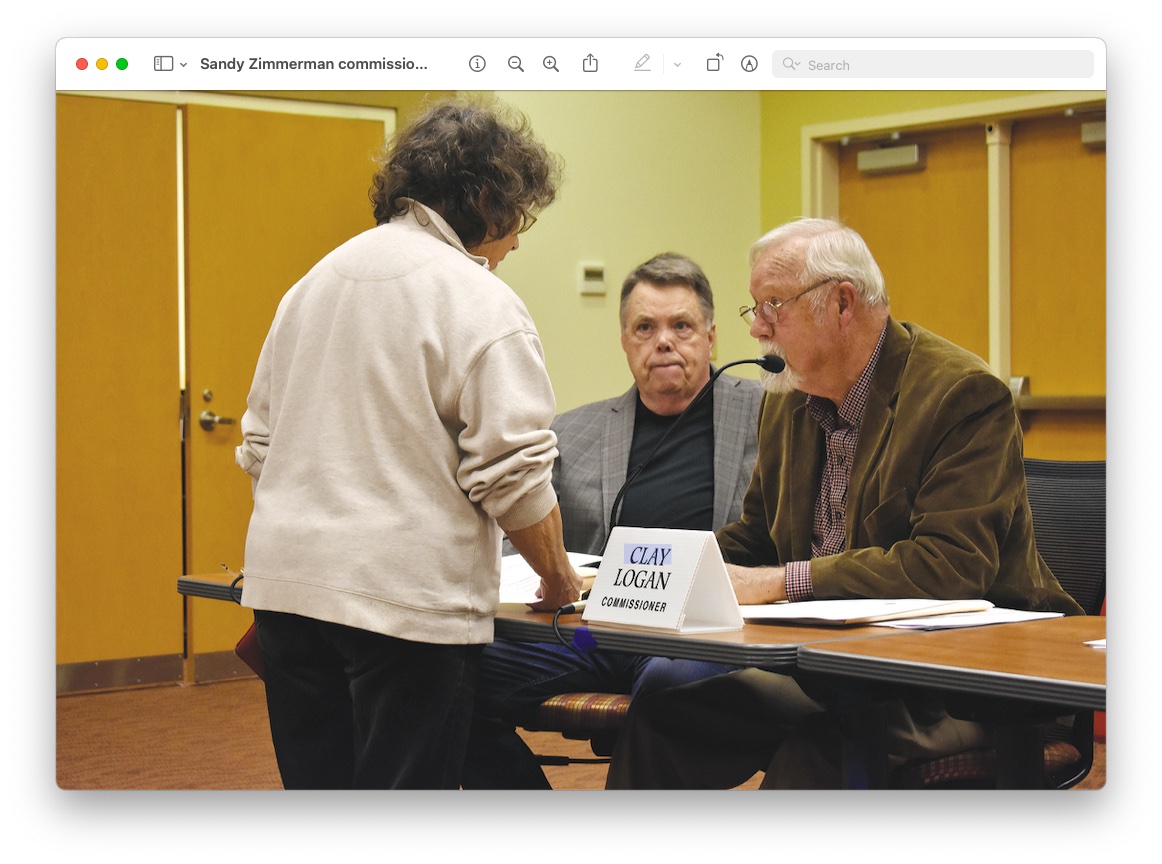
Clay County will pursue its share of a opioid settlement and the money will be used to address the problems drug misuse has caused many families, including children, in the county.
The resolution approved during the March 2 commission meeting relates to opioid litigation in 2020 which will result in a portion of the settlement’s proceeds going to Clay County and other local governments.
The document allows County Manager Debbie Mauney to pursue a Supplemental Agreement for Additional Funds, also known as SAAF, to provide the equitable distribution of the settlements.
Mauney noted that from the settlement, Clay County should receive about $60,000 annually for the next 18 years. She said she is working on a plan to address drug problems that would involve several agencies including law enforcement, health department and Social Services, among others.
“The fund is very restrictive, we’re being careful how we use the money,” said Mauney. “We want to make sure it’s not wasted here in the county.”
Like many counties, Clay appears to have a significant need for funding and programs to address the opioid problem.
For example, from 2000-2021, the opioid epidemic has taken more than 32,000 lives in North Carolina.
Closer to home, the statistics are alarming and the problem seems to have grown during the COVID 19 pandemic.
• In 2021, 66.7 percent of children came into the county’s foster care system due to parental substance abuse. The state average is 47.7 percent.
• Clay County has completed 36 adoptions of juveniles since 2007. Of those adoptions, 89 percent have experienced substance misuse as the primary contributing factor of abuse and neglect by caretakers.