
By Lorrie Ross
Staff Writer
For many miles heading north out of Asheville on 26, there are crumpled guard rails and splintered trees. Hundreds of fallen trees, both big and small, litter on both sides of the highway, dangling from embankments, just feet from fast-moving vehicles swishing by.
One would think this describes a scene shortly after Hurricane Helene blasted through these mountains on Sept. 27 with a vengeance, unprecedented in modern times. This trip was the first weekend in February — more than four months after Helene.
Several counties in western North Carolina were devastated by the storm, but so were counties in northeast Tennessee and four other states. Clay County residents were spared Helene’s destruction, but the storm was still personal because it impacted our mountain neighbors, including many friends and family. Despite the fact we are not hearing much about the storm’s impacts any more, these folks are not OK. Many will not be for a very long time. If ever.
Full disclosure, I am breaking the rules of journalism by writing in first person. When beloved friends in Avery County, N.C. lose their homes and some of their family members are lost to a mudslide, it is very personal. When my own mother’s home and property in Roan Mountain, Tenn. are destroyed by an unexpected flood from the post-tropical cyclone, it is extremely personal.
My mother evacuated and is staying with my sister in Florida. However, the first weekend in February, I made the drive to check on her place, and also to talk to people I know about how they are doing.
Continuing away from Asheville, the highway clears into the vast mountain views I have loved since the first time I traveled Interstate 26 out of Asheville, many years ago. Traveling into Tennessee on 26, everything is seemingly normal from the vantage point of the highway. There are a few breaks in the asphalt, but construction has been going on up there for years, so these are not out of the ordinary.
Then comes Erwin — one of my favorite little towns in east Tennessee. If you’re not familiar, you probably heard about it after Helene. That’s where the workers at Impact Plastics and several other manufacturers along Interstate 26 were washed away. At least half a dozen people died in the plastics factory alone.
You may also remember seeing Blackhawk helicopters landing on the roof of a flooded hospital, rescuing staff and patients because the hospital was mostly underwater. That’s also Erwin — Unicoi County Hospital to be exact. It is the only hospital facility for miles around and it is still closed, thanks to Helene.
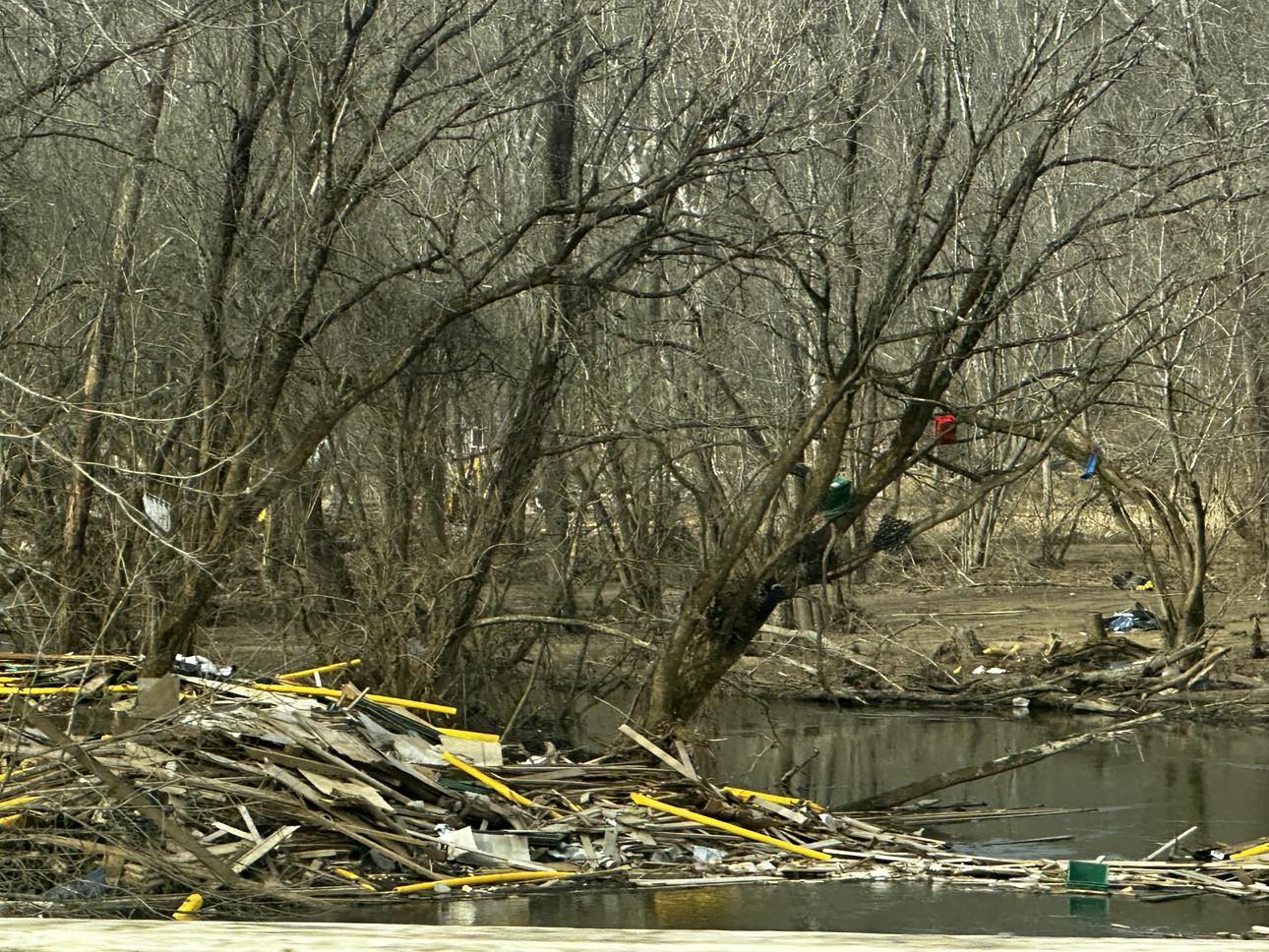
Thankfully, I’ve never actually been in a war zone, but driving through Erwin, I would imagine this is much like some war zones look. Even today, four months after Helene swept through, rolls of bright yellow plastic are strewn along both sides of the interstate for a few miles beyond where the factory used to be. A manufacturer of wooden sheds is also gone, as well as a few other entire warehouses and plants. Only the metal frameworks of some are left like giant carcasses picked clean except for the occasional piece of sheet metal or crumpled truck remnant.
The usually serene Nolichucky River swelled from its banks without warning on that fateful September day. The river, which usually ran a course on the opposite side of the interstate from these factories, showed little mercy that day. Strangely, here and there a house or other random building sits tall among the rest of the land, which has been swept clean of other structures. It is almost like a tremendous giant stepped through the valley, dragging its feet to spread the riverbanks, but leaving some places alone.
Near downtown Erwin, several blocks from the interstate, Rocky’s Pizza sits on Main Avenue. The owner of the tiny family-owned Rocky’s Pizza smiles as we enter, then turns somber when we ask how everyone is. “All of us here are OK,” she said. “So many are not. Our town lost so much.”
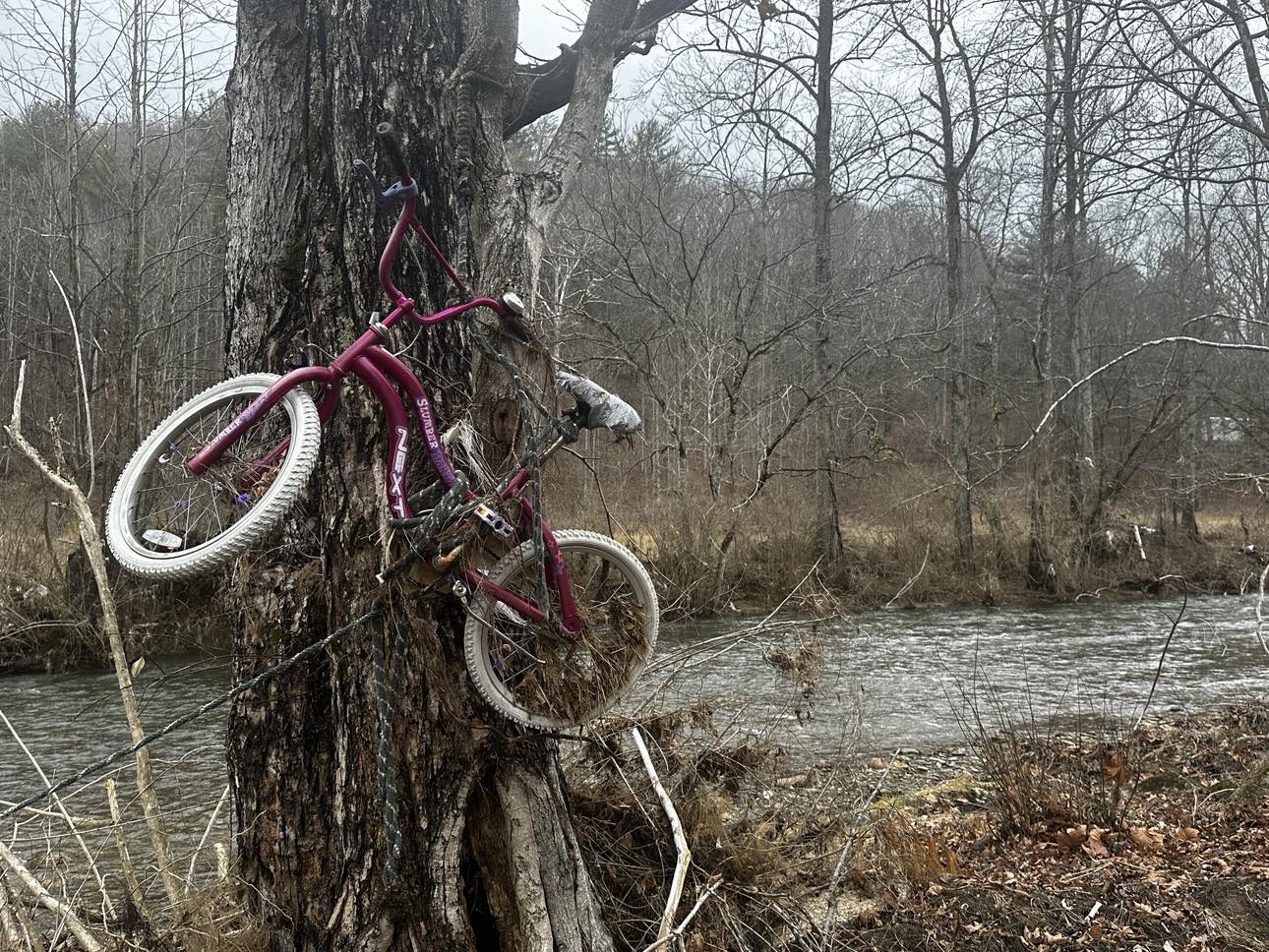
Parks, churches, homes, places of business. So many things are gone or mostly gone. Pieces of buildings and things unidentifiable are in treetops where there are still trees standing.
A bridge over the Doe River near Elizabethton is closed to repair damages, but the 143 year-old Elizabethton Covered Bridge survived.
A ball field is encased in layers of dried mud, while the slides and swings of a playground rise from the mud several feet away.
Heavy equipment has begun working in many places around Erwin and much of the Appalachians. Quiet winter days are disturbed by the noise of removing debris, restoring riverbanks and stacking trees into piles three-stories high.
Reminders are everywhere and will continue to be for the foreseeable future. There is no way to erase them.
Next week, I will share some of those personal stories as told to me.